
Utah Office | USA/Canada
Call or Text | +1 (801) 899-6806
Email Support safari@allinafricasafarisusa.com
Office Hours: M-F 9:00 am - 5:00 pm MST
Off: US Holidays
Off: US Holidays
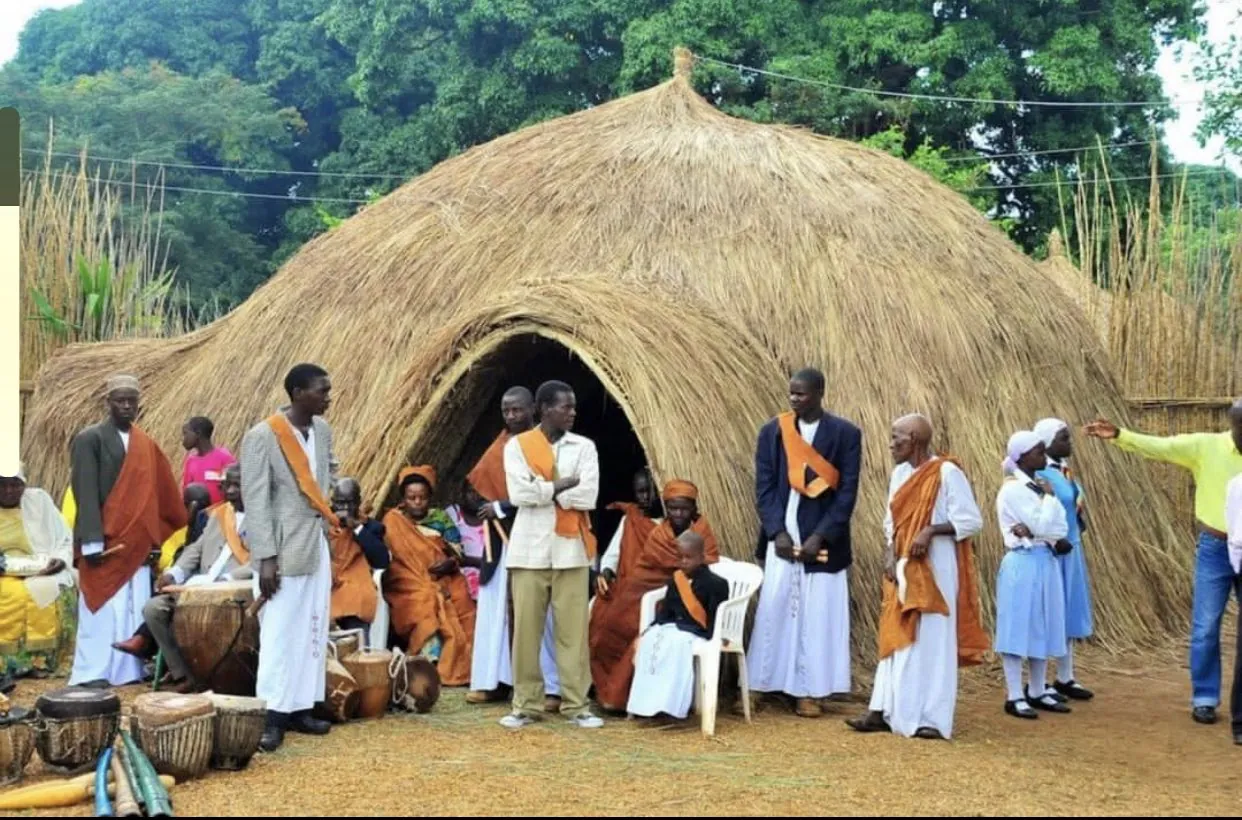
The Baganda, frequently referred to as the Ganda, are an ethnic group native to Buganda, a region in central Uganda. At 16.9% of the population, they are the largest ethnic group in Uganda.
Each of the clans right into which the Baganda are separated has its very own emblem and customs. The institution of the Kabaka is a significant facet of Ganda culture, and the Kabaka is the king of Buganda. The “kanzu,” a long white robe, and the “gomesi,” a various colored clothing, are 2 instances of the Baganda’s distinct conventional outfit. The “Ndagala” drumming method is part of the rich music and dance traditions of the Baganda people.
The Bantu language Luganda, which is extensively spoken in Uganda, is spoken by the Baganda. The Baganda have a long background of trading, especially with Arab merchants in the 19th century.
The prolonged household is very valued by the Baganda, that usually reside in large complexes with a number of relatives. Elders are extremely valued by the Baganda, who view them as the keepers of traditional understanding and society. Social work is extremely valued by the Baganda, that participate in cumulative ventures like farming and building and construction.
A strong and considerable kingdom in the area, the Kingdom of Buganda was founded in the fourteenth century. After the British colonized the Baganda in the late 1800s, the kingdom entered into the Uganda Protectorate. The kingdom is still a significant social and historic establishment, and the Baganda still have a substantial influence on Ugandan national politics and society today.
With a rich history that goes back to the 14th century, the Buganda Kingdom– likewise called the Kingdom of Buganda– has been controlled by a succession of Kabakas, or majesties. Among the most illustrious rulers of Buganda Kingdom were:
Period Before the Colonization( 14th– 19th centuries)The Buganda Kingdom was established by Kato Kintu in the 1300s.
The 2nd Kabaka of Buganda, Chwa I (c. 1370s), is attributed with increasing the size of the kingdom’s area.
A strong Kabaka who fought the close-by Kingdom of Bunyoro was Mwanga I (c. 1500s).
Suuna II, a Kabaka from the 1830s, enhanced the army and federal government of the kingdom.
Duration of Colonialism (19th– 20th century).
Mutesa I (1856– 1884) was a Kabaka that opposed the spread of Christianity and British colonial control.
Kabaka Mwanga II (1884– 1897) was urged to welcome Christianity and British colonial control.
Kabaka Daudi Chwa II (1897– 1939) updated the kingdom’s framework while teaming up very closely with British colonial authority.
Mutesa II (1939– 1966): A Kabaka that functioned as Uganda’s initial president and contributed in the nation’s defend independence.
The Buganda individuals in Uganda.
The post-colonial Buganda individuals of Uganda (20th– 21st century).
Mutesa II (1966– 1969): After Uganda obtained its independence, he remained to act as Kabaka.
The present Kabaka of Buganda, Ronald Muwenda Mutebi II (1993– present), has actually sought to foster financial development and revitalize the kingdom’s cultural heritage.
A wide range of historical, cultural, and natural attractions can be located in the Buganda Kingdom. Some of one of the most prominent traveler destinations there are:.
The Buganda leaders’ last relaxing place is the Kasubi Tombs, a UNESCO World Heritage Site.
Guided tours are readily available at the Lubiri Palace, the Kabaka of Buganda’s primary royal residence.
The Ndere Cultural Center is a facility for exhibits, workshops, and cultural performances.
Buganda Parliament: The parliament of the Buganda Kingdom is housed in this old structure.
A historical location recognizing the affliction of Christian converts in the late 1800s is the Namugongo Martyrs’ Shrine.
Bulange: The old seat of the federal government of the Buganda Kingdom.
Wamala Tombs: The Wamala chiefs’ last relaxing area.
Kabaka’s Lake is a culturally considerable historical lake.
Africa’s biggest lake, Lake Victoria, offers boat trips and angling chances.
Marsh Mabamba Bay is popular for its birdwatching areas.
Kawanda Forest: A forest get that supplies hiking paths and chances to observe birds.
Mpanga Forest: A forest reserve that uses trekking routes and chances to observe birds.
Kampala Markets: dynamic marketplaces using local cuisine, crafts, and trinkets.
Standard dance and song are performed by the Ndere Troupe, a social performance team.
A meeting place for local artists providing handcrafted items is Buganda Crafts Village.
Kabaka’s Trail: An assisted tour that travels through social sites and historic areas.
These sites supply a home window right into the Buganda Kingdom’s abundant background, social heritage, and breathtaking natural beauty.
The establishment of the Kabaka is a substantial facet of Ganda society, and the Kabaka is the monarch of Buganda. The Bantu language Luganda, which is commonly talked in Uganda, is spoken by the Baganda. A solid and considerable kingdom in the area, the Kingdom of Buganda was started in the fourteenth century. After the British colonized the Baganda in the late 1800s, the kingdom ended up being component of the Uganda Protectorate. The kingdom is still a significant social and historic institution, and the Baganda still have a substantial impact on Ugandan national politics and culture today.