Welcome to Kenya, a nation of breathtaking scenery, fascinating cultures, and world-class animal adventures. Kenya, renowned for its distinctive savannahs, breathtaking highlands, and clean beaches, provides an amazing trip for all types of travelers. Whether you’re a wildlife enthusiast, an adventurer, or a cultural traveler, Kenya promises an exciting and fascinating experience.
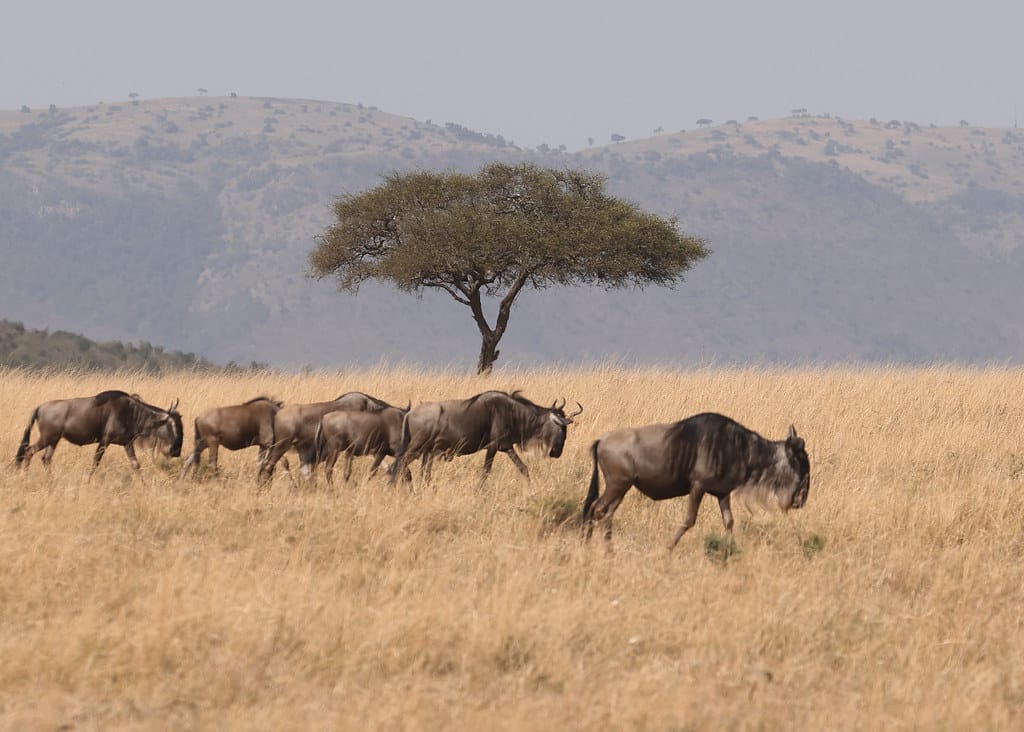
Famed for the Great Migration, the Maasai Mara (often spelled Masai Mara) is one of Africa’s most celebrated wildlife reserves. Witness millions of wildebeest, zebras, and antelopes traverse the Mara River, pursued by predators. This spectacular event, coupled with year-round sightings of the Big Five, makes the Masai Mara National Reserve a must-visit destination on any Kenya safari package.
Nestled at the foot of Mount Kilimanjaro, Amboseli National Park offers breathtaking views and exceptional wildlife encounters. Known for its large elephant herds, Amboseli National Park provides unparalleled opportunities to observe these gentle giants against the stunning backdrop of Africa’s highest peak.
Covering a massive area, Tsavo East and Tsavo West National Parks are renowned for their diverse landscapes and abundant wildlife. Explore the red-dust plains of Tsavo East, home to the famous maneless lions, and the volcanic landscapes of Tsavo West, with its stunning Mzima Springs and rich biodiversity.
Lake Nakuru National Park is a bird watcher’s paradise, with its famous flocks of flamingos painting the lake pink. Lake Nakuru National Park is also home to rhino, lion and leopard, and is a strong Big Five stop, making it a fantastic destination for wildlife enthusiasts.
Located in the arid region of northern Kenya, Samburu National Reserve offers unique wildlife sightings, including the rare Grevy’s zebra, Somali ostrich, and reticulated giraffe. The Ewaso Ng’iro River, which runs through the reserve, attracts a variety of animals, providing excellent game-viewing opportunities.
Experience thrilling game drives in Maasai Mara, where you can witness the drama of the savannah unfold. From lion prides on the hunt to the sheer spectacle of the Great Migration, every moment is a photo opportunity.
Get up close and personal with Amboseli’s magnificent elephant herds. The park’s open plains and swampy areas provide ideal conditions for observing these majestic creatures in their natural habitat.
Marvel at the incredible birdlife at Lake Nakuru, where thousands of flamingos and other bird species congregate. The park is also a sanctuary for black and white rhinos, offering a chance to see these endangered species.
Immerse yourself in the vibrant culture of the Samburu people. Learn about their traditions, dances, and way of life, and enjoy a visit to a traditional Samburu village for an enriching cultural exchange.
Explore Kenya’s diverse landscapes on foot with guided hikes and nature walks. From the scenic trails of Mount Kenya to the lush forests of the Aberdares, there are endless opportunities for adventure and discovery.
A freshwater lake in the Rift Valley, close enough to Nairobi to work as a first or last stop. Boat trips bring you alongside hippos, and Crescent Island can be walked on foot among giraffe and zebra, which is rare in Kenya. It pairs naturally with Hell’s Gate National Park, one of the few Kenyan parks you can cycle through.
Ol Pejeta holds the largest black rhino population in East Africa and is where the last two northern white rhinos live under continuous guard. It is a conservancy rather than a national park, which means fewer vehicles and permitted walking and night drives.
Balloons lift off before dawn and drift over the plains as the light comes up, finishing with breakfast on the ground. It costs around $500 per person on top of your itinerary and is the single most requested add-on we arrange in Kenya. Worth it if the Mara is the centrepiece of your trip.
We quote every trip individually because the number depends on when you travel, where you stay, and how many of you there are. What we can give you is the honest shape of it.
Our Kenya safari packages are all-inclusive: lodge or tented camp accommodation, all meals, a private 4x4 safari vehicle with your own driver-guide, park entrance fees, and airport transfers are in the price. Prices are per person. Outside it sit international flights, visas, travel insurance, tips, and optional extras like the balloon.
Three things move the number most. High season lodges run 20 to 40 percent above low season. Solo travelers pay more per person than couples, and couples more than a family of four, because the vehicle and guide are shared across your party rather than sold by the seat. And a fly-in itinerary costs more than driving but returns days to you.
Full detail is on our safari pricing page, including what sits inside and outside a quote.
Every Kenya trip we run is private. You get a 4x4 safari vehicle with a pop-up roof, your own driver-guide, and a schedule you set. If you want to sit with a cheetah for an hour, you sit with a cheetah for an hour.
This is the difference we are actually selling. A seat in a shared minibus means a fixed departure time, a fixed route, and seven other people who want to move on. The wildlife is the same; the day is not.
Four days covers the Mara properly with a night either side. Seven lets you add Lake Nakuru and Amboseli without long driving days. Ten opens up Samburu or the coast. Three is possible but you will spend a large share of it in the vehicle.
Neutral colours — khaki, olive, brown, grey. White shows the red dust within an hour and never fully recovers. Bright colours are fine in a vehicle but poor on a walking safari, and dark blue and black attract tsetse flies in some areas. Long sleeves and trousers for mornings and evenings, layers for the cold at dawn, and a hat.
A fair question and one nobody puts on a brochure. Lodges and camps have normal plumbing. Out on a game drive there are toilet blocks at park gates and main picnic sites, and beyond that your guide finds a discreet spot and keeps watch — universally referred to as checking the tyres. Carry tissue and hand sanitiser. Say something to your guide if you need a stop; they would far rather you asked.
The safari areas are stable and you are with a professional guide throughout. Realistic risks are sunburn, dehydration and stomach upset rather than anything dramatic. We ask every client to carry travel insurance that covers medical evacuation.
The Mara River crossings run roughly August to September, and that is peak season and peak pricing. Late January to February is excellent and quieter. April, May and November are the wet months, with lower prices and green landscapes.