

Utah Office | USA/Canada
Call or Text | +1 (801) 899-6806
Email Support safari@allinafricasafarisusa.com
Office Hours: M-F 9:00 am - 5:00 pm MST
Off: US Holidays
Off: US Holidays
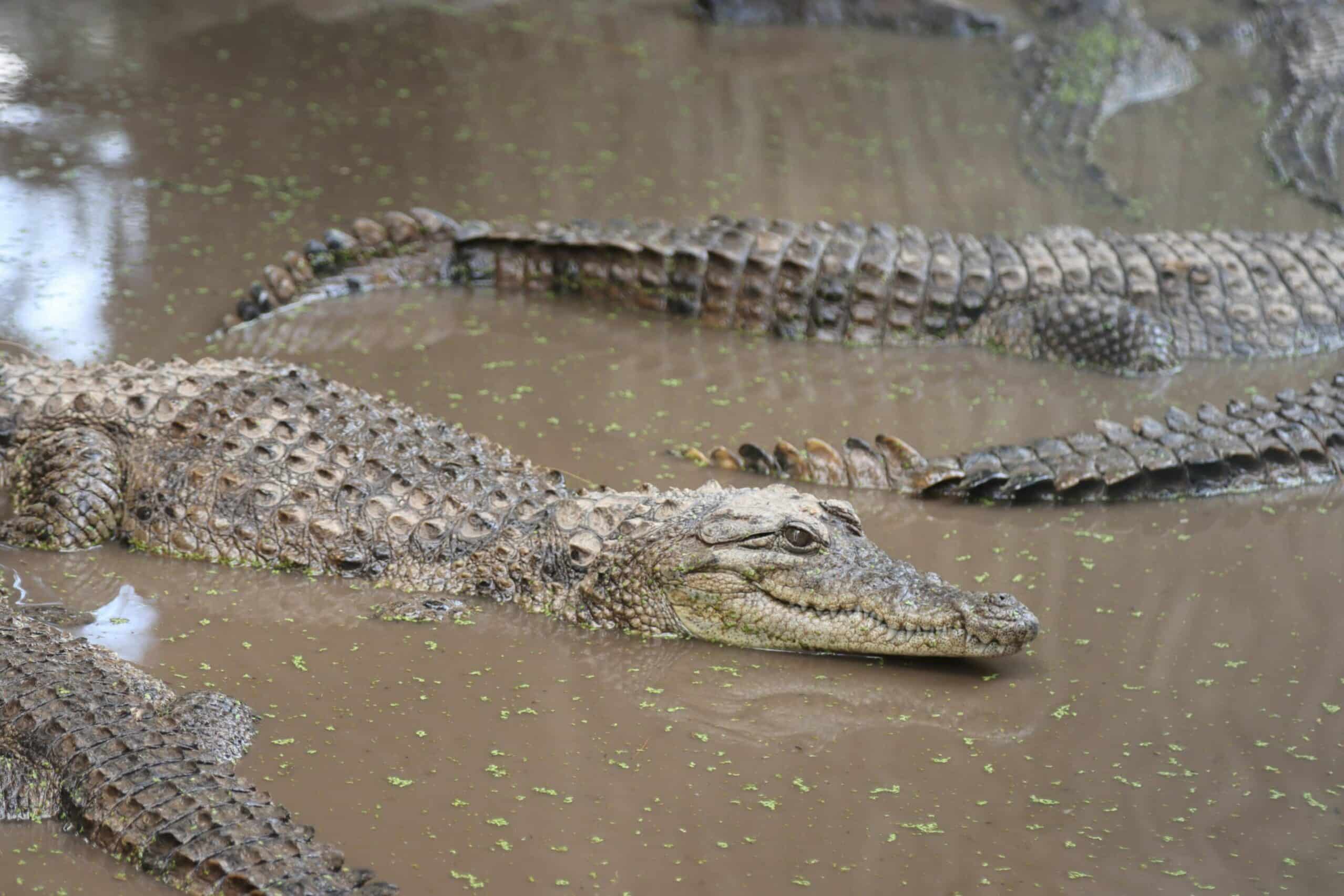
Kidepo Valley National Park is located in the remote north-eastern corner of Uganda and is one of the country’s most breathtaking wildernesses. The park has a variety of animals, yet Kidepo Valley National Park is the only park in Uganda that does not have crocodiles in its water bodies. The lack of crocodiles in this park is not a result of chance, but a combination of environmental, climatic, and ecological factors that make the region unsuitable for their survival.
The Kidepo region is characterized by a semi-arid climate with long dry seasons. The Kidepo and Narus rivers are seasonal because of the harsh weather pattern. For most of the year, the rivers dry up, leaving behind only small, scattered pools that can’t sustain large aquatic animals. According to the Uganda Wildlife Authority, these seasonal “sand rivers” are a defining feature of the landscape. Crocodiles need permanent water bodies to regulate their body temperatures. Kidepo’s frequent drying up of rivers deprives them of the stable aquatic environment they need to survive.
Crocodiles thrive in large and permanent water systems where they can find food and shelter. There are no large, year-round water sources in Kidepo Valley National Park. The Narus River becomes a series of isolated pools during the dry season. The water evaporates or shrinks too much to sustain aquatic life throughout the year, making the park unsuitable for the reptiles.
Kidepo is mostly open grassland and thicket with few shaded, moist areas. The park’s dry, compact soils and rocky streams make it difficult for crocodiles to hide their eggs or dig a nest. The lack of thick aquatic vegetation reduces the number of safe zones where crocodiles can seek refuge from heat and predators. These environmental limitations have made it impossible for crocodiles to establish themselves in the park.
The crocodiles feed on fish, amphibians, and small mammals that drink from water sources. Kidepo’s rivers cannot sustain sufficient fish populations to support crocodile feeding. Large animals like buffaloes and hippos are often found in the small pools that remain during dry spells. Crocodiles would struggle to find enough food for survival.
Kidepo is not home to crocodiles because of the park’s isolation from major river systems. While there are crocodiles in the Nile, the region has a lot of dry land and mountain ranges separating them. These prevent crocodiles from entering Kidepo’s valleys. It is nearly impossible for crocodiles to colonize the park’s water systems without being connected to larger, crocodile-inhabited water systems.
The ecosystem has adapted to life without crocodiles. The limited waterholes have been filled with other predatory animals. As noted by conservation groups like the African Wildlife Foundation, the park’s biodiversity thrives around land-based interactions rather than aquatic ecosystems. This makes Kidepo a unique destination for travelers looking for a different kind of Uganda safari experience.
Kidepo Valley National Park has no crocodiles due to environmental and ecological constraints. There are no permanent water bodies, extreme aridity, unsuitable nest conditions, and isolation from other crocodile habitats. The landscape is breathtakingly wild, but Kidepo is a gem in Uganda’s wildlife heritage where the drama unfolds on land rather than in the water.